Why the Rose Bowl Was Not Selected for Major FIFA World Cup 2026 Matches
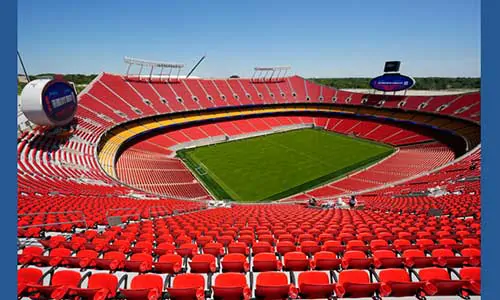
Table of Contents
- Introduction
- The Historical Legacy of the Rose Bowl in Soccer History
- Why the Rose Bowl Was Not Selected for Major FIFA World Cup 2026 Matches: Key Factors
- 1. Outdated Infrastructure vs. Modern Luxury Demands
- 2. Financial Risks and the Demands of the FIFA Host City Agreement
- 3. The Single-Market Limit and the Shadow of SoFi Stadium
- Why the Rose Bowl Was Not Selected for Major FIFA World Cup 2026 Matches: SoFi Stadium vs. Rose Bowl
- Safety, Summer Weather, and Modern Fan Experience Concerns
- Why the Rose Bowl Was Not Selected for Major FIFA World Cup 2026 Matches: The Broader Impact on Pasadena
- Conclusion & Call to Action
- Frequently Asked Questions (FAQ)
The global sports community was filled with anticipation when FIFA announced the official host venues for the highly anticipated 2026 tournament. While Southern California successfully secured its position as a primary host region, many football traditionalists were left asking a critical question: Why the Rose Bowl Was Not Selected for Major FIFA World Cup 2026 Matches? This legendary venue in Pasadena has long been regarded as a sacred temple of American soccer.
Historically, the Rose Bowl has delivered some of the most iconic moments in international football history, including the 1994 Men’s World Cup Final and the 1999 Women’s World Cup Final. However, the landscape of modern sports entertainment has evolved dramatically over the last three decades. Consequently, the criteria for hosting elite global tournaments have shifted toward cutting-edge technology, commercial profitability, and premium spectator comfort.
Understanding Why the Rose Bowl Was Not Selected for Major FIFA World Cup 2026 Matches requires a deep dive into stadium infrastructure, changing economic models, and the fierce competition within the Los Angeles metropolitan market. In this comprehensive analysis, we will explore the multi-layered reasons behind FIFA’s decision, evaluate how the Rose Bowl stacks up against newer venues, and examine what this means for the future of Pasadena’s historic landmark.
The Historical Legacy of the Rose Bowl in Soccer History
To fully appreciate the surprise surrounding this venue’s exclusion, one must understand its unmatched contribution to the growth of soccer in North America. Built in 1922, the Rose Bowl is celebrated globally as a historic monument of American athletic achievement. It has consistently drawn record-breaking crowds for both domestic league games and major international friendlies.
Most notably, the stadium served as the grand stage for the 1994 FIFA World Cup Final between Brazil and Italy. This legendary match, decided by a dramatic penalty shootout, solidified the venue’s place in football folklore. Just five years later, the stadium hosted the 1999 Women’s World Cup Final, where Brandi Chastain’s historic winning penalty sparked a soccer revolution in the United States.
Furthermore, the venue has continued to draw massive crowds for high-profile exhibition matches, proving that the local fanbase remains deeply passionate about the sport. This rich legacy makes it hard to believe, yet it clarifies Why the Rose Bowl Was Not Selected for Major FIFA World Cup 2026 Matches, as nostalgia alone cannot satisfy the logistical and commercial demands of modern football’s governing body.
Why the Rose Bowl Was Not Selected for Major FIFA World Cup 2026 Matches: Key Factors
When FIFA evaluated potential candidate cities and venues, they prioritized commercial viability, stadium modernization, and structural flexibility. While the Pasadena stadium boasts a massive seating capacity of over 90,000, it falls short in several technical areas. These deficiencies eventually led FIFA to look elsewhere in the region.
Several primary factors played a decisive role in this outcome. These range from the physical limitations of a century-old stadium to the strict financial terms demanded by FIFA in their host city agreements. Below, we break down these critical components in detail.
1. Outdated Infrastructure vs. Modern Luxury Demands
To fully comprehend Why the Rose Bowl Was Not Selected for Major FIFA World Cup 2026 Matches, we must look at the age and design of the structure. Designed in the early 20th century, the stadium features a classic open-bowl layout with a single, continuous seating bowl. While this design is great for traditional collegiate football sightlines, it presents major challenges for modern media, hospitality, and spectator comfort.
First and foremost, the venue lacks an adequate number of luxury suites and premium VIP club areas. Modern international sporting events rely heavily on high-end hospitality tickets to generate revenue. The Terry Donahue Pavilion, completed during previous renovations, added some suites, but the total number is far below what FIFA expects for prime matches. Consequently, this lack of premium spaces is a critical reason Why the Rose Bowl Was Not Selected for Major FIFA World Cup 2026 Matches.
In addition, the stadium’s concourses are notoriously narrow, leading to severe pedestrian bottlenecks during high-attendance events. The restroom-to-spectator ratio and the concession infrastructure are also significantly outdated compared to modern arenas. FIFA’s strict, updated stadium guidelines require seamless crowd flow, state-of-the-art media centers, and advanced player facilities—standards that a century-old stadium simply cannot meet without undergoing an incredibly expensive, disruptive, and structurally challenging rebuild.
2. Financial Risks and the Demands of the FIFA Host City Agreement
Another major factor behind the selection outcome lies in the financial structure of the tournament itself. FIFA’s business model requires host venues and municipal governments to bear the vast majority of the upfront operational costs and stadium upgrades. Conversely, FIFA retains the lion’s share of ticket sales, broadcast rights, and corporate sponsorships.
Local reports indicate that the Rose Bowl Operating Company (RBOC) and the City of Pasadena faced a highly challenging financial calculation. Hosting multiple matches would have required millions of dollars in taxpayer-funded improvements to meet security, technology, and pitch requirements. Since FIFA does not fully reimburse these costs, the city risked taking on substantial public debt.
Moreover, the local stadium authority has faced financial pressures in recent years due to outstanding bonds from prior renovations. Taking on additional, high-risk financial burdens for a temporary tournament was viewed with caution by municipal leaders. Ultimately, this economic asymmetry explains Why the Rose Bowl Was Not Selected for Major FIFA World Cup 2026 Matches, as the city could not justify the extreme financial risks involved.
3. The Single-Market Limit and the Shadow of SoFi Stadium
Perhaps the most insurmountable obstacle for Pasadena was the emergence of SoFi Stadium in nearby Inglewood. Completed in 2020 at an estimated cost of over $5 billion, SoFi Stadium is widely considered the most advanced and luxurious sports venue in the world. It was built specifically to host the world’s largest sporting events, featuring a massive double-sided 4K Infinity Screen and hundreds of premium executive suites.
FIFA operates under a general policy of selecting only one primary stadium per metropolitan market to avoid logistical duplication and ensure optimal resource allocation. Because SoFi Stadium offered unparalleled commercial opportunities, cutting-edge broadcast infrastructure, and superior VIP facilities, it naturally became the default choice for the Los Angeles area.
Consequently, the Rose Bowl was placed in direct competition with its ultra-modern neighbor. In a head-to-head battle between historic charm and multi-billion-dollar luxury, FIFA’s commercial interests inevitably favored the latter. Furthermore, this single-market constraint is a primary reason Why the Rose Bowl Was Not Selected for Major FIFA World Cup 2026 Matches.
Why the Rose Bowl Was Not Selected for Major FIFA World Cup 2026 Matches: SoFi Stadium vs. Rose Bowl
When examining Why the Rose Bowl Was Not Selected for Major FIFA World Cup 2026 Matches, the head-to-head comparison with SoFi Stadium is highly revealing. To illustrate the structural and commercial gap between these two iconic venues, let us look at their key specifications side-by-side.
| Feature / Specification | The Rose Bowl (Pasadena) | SoFi Stadium (Inglewood) |
|---|---|---|
| Year Opened | 1922 | 2020 |
| Standard Capacity | 90,888 | 70,240 (Expandable to 100,000) |
| Luxury Suites | 54 Suites | 260+ Suites |
| Roof Structure | Fully Open-Air (No Roof) | Fixed Translucent Canopy (Open Sides) |
| Public Transit Access | Limited (Shuttle Buses Required) | Dedicated Shuttles & Metro Connections |
| Estimated Project Cost | $272,198 (Original 1922 cost) | $5.5 Billion |
As the table clearly demonstrates, while the Pasadena venue maintains a larger raw seating capacity, SoFi Stadium dominates in luxury accommodation, modern roofing, and overall commercial scale. FIFA’s core business model is built around maximizing corporate hospitality and broadcast presentation. Therefore, the modern features of the Inglewood venue easily eclipsed the historic appeal of the Rose Bowl.
Safety, Summer Weather, and Modern Fan Experience Concerns
Beyond the structural and financial issues, spectator safety and comfort played a substantial role in FIFA’s final stadium evaluations. Because the World Cup takes place during the peak summer months of June and July, weather conditions are a primary concern for the tournament organizers.
Pasadena frequently experiences extreme summer heatwaves, with daytime temperatures often climbing well into the 90s (and sometimes exceeding 100 degrees Fahrenheit). The Rose Bowl is completely open to the elements, providing virtually no shade for the vast majority of its 90,000 spectators. During recent high-profile summer friendly matches, fans reported uncomfortable and potentially hazardous conditions due to the intense heat and limited water accessibility.
In contrast, SoFi Stadium features a high-tech translucent canopy that blocks harmful UV rays while keeping the venue open to coastal breezes. This advanced architectural design ensures a much more controlled, temperate environment for both fans and athletes. These modern comfort expectations highlight Why the Rose Bowl Was Not Selected for Major FIFA World Cup 2026 Matches, as fan safety and heat mitigation are major priorities for FIFA’s match commissioners.
Why the Rose Bowl Was Not Selected for Major FIFA World Cup 2026 Matches: The Broader Impact on Pasadena
The exclusion of this historic stadium from the official host list undoubtedly brought disappointment to local soccer enthusiasts, business owners, and city officials. Pasadena has a long-standing reputation for welcoming the international community with open arms.
For decades, local hotels, restaurants, and retail shops have relied on major sporting events to drive local economic growth. Missing out on direct World Cup matches means the city will lose out on millions of dollars in immediate tourism spending. However, Pasadena is still expected to experience an indirect economic boost, as many visiting international fans will choose to stay in the city’s historic hotels and travel to Inglewood for match days.
While local business owners were disappointed by Why the Rose Bowl Was Not Selected for Major FIFA World Cup 2026 Matches, they still look to the future. The Rose Bowl continues to be a highly successful venue for major musical acts, collegiate football, and marquee international club friendlies. Consequently, the stadium’s long-term legacy remains secure, even without the 2026 matches.
Conclusion & Call to Action
Ultimately, the narrative of Why the Rose Bowl Was Not Selected for Major FIFA World Cup 2026 Matches is a cautionary tale of how quickly the world of professional sports entertainment moves. While nostalgia and history hold an important place in the hearts of football purists, FIFA’s multi-billion-dollar business model requires modern infrastructure, extensive corporate hospitality, and minimized public financial risk.
SoFi Stadium’s cutting-edge design, elite VIP capabilities, and protected climate environment made it the natural selection for the Los Angeles market. Nevertheless, the Rose Bowl remains a historic monument of American soccer and a timeless icon of Southern California sports culture.
In conclusion, understanding Why the Rose Bowl Was Not Selected for Major FIFA World Cup 2026 Matches reveals that FIFA values modern hospitality and commercial viability above all else. For more detailed tournament updates, you can refer to the official FIFA guidelines or explore local insights from Pasadena local reports.
What are your thoughts on this decision? Do you think FIFA should have prioritized the historic legacy of the Rose Bowl, or was choosing SoFi Stadium the right business move? Share your thoughts in the comments section below!
Frequently Asked Questions (FAQ)
To help clarify any remaining questions regarding Why the Rose Bowl Was Not Selected for Major FIFA World Cup 2026 Matches, we have compiled answers to the most common queries:
What is the main reason Why the Rose Bowl Was Not Selected for Major FIFA World Cup 2026 Matches?
The primary reason is its outdated infrastructure, particularly the lack of luxury VIP suites, narrow concourses, and the emergence of SoFi Stadium, which offers a far superior commercial and broadcast environment.
Did the Rose Bowl host a World Cup final in the past?
Yes, the Rose Bowl hosted the historic 1994 Men’s World Cup Final between Brazil and Italy, as well as the 1999 Women’s World Cup Final between the United States and China.
How does the Rose Bowl’s capacity compare to SoFi Stadium?
The Rose Bowl has a larger standard capacity of 90,888 seats compared to SoFi Stadium’s standard capacity of 70,240, though SoFi can be expanded up to 100,000 seats for mega-events.
Are there safety concerns related to the Rose Bowl’s summer weather?
Yes. Because the Rose Bowl has no roof or shade structures, hosting matches in the extreme Southern California summer heat poses health and safety risks to spectators. This is a key driver of Why the Rose Bowl Was Not Selected for Major FIFA World Cup 2026 Matches.
Will Pasadena still benefit economically from the 2026 World Cup?
Yes, Pasadena will still benefit indirectly, as thousands of international fans are expected to stay in Pasadena hotels and visit local businesses while commuting to matches in Inglewood.
Why didn’t FIFA select both SoFi Stadium and the Rose Bowl?
FIFA rarely selects two venues in the same metropolitan area to avoid logistical duplication and concentrated resource strain. Since SoFi Stadium is the premier modern stadium in the region, the Rose Bowl was bypassed.