FIFA World Cup 2026 Tickets: How to Avoid Resale Scams and Fake Listings
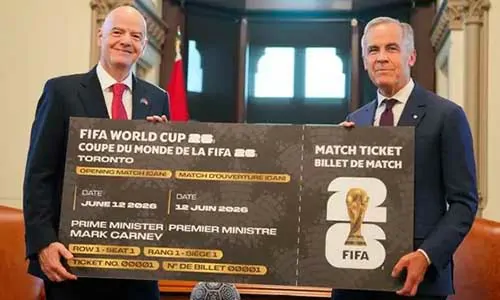
The absolute thrill of watching your national team play live on the global stage is unmatched. However, as the highly anticipated tournament gets underway across North America, securing genuine access to matches in the US, Canada, and Mexico is becoming increasingly challenging. To protect your hard-earned money and secure your entry at the stadium gates, understanding FIFA World Cup 2026 Tickets: How to Avoid Resale Scams and Fake Listings is crucial for every soccer fan. This guide provides comprehensive, actionable insights to ensure you stay safe while navigating the high-demand resale market.
Consequently, with millions of fans looking for seats, opportunistic cybercriminals have flooded the market with fraudulent listings. In this thorough guide, we will break down how to spot fake listings, identify the red flags of reseller fraud, and explain the only guaranteed ways to purchase authentic tickets.
Table of Contents
- 1. Understanding the 2026 Ticketing Landscape
- 2. FIFA World Cup 2026 Tickets: How to Avoid Resale Scams and Fake Listings
- 3. Common Tactics Scammers Use to Deceive Fans
- 4. Key Warning Signs of Ticket Scams
- 5. Safe Purchasing Framework: Best Practices for Fans
- 6. Comparison: Official Channels vs. Risky Resale Sources
- 7. What to Do If You Have Been Scammed
- 8. Frequently Asked Questions (FAQ)
1. Understanding the 2026 Ticketing Landscape
The FIFA World Cup 2026 is historically unique, featuring 48 teams competing across 16 host cities. As a result, the sheer volume of matches has attracted a massive wave of global interest. Unfortunately, this unprecedented demand also presents a golden opportunity for online fraudsters targeting unsuspecting buyers.
Moreover, the ticketing process is strictly digital. FIFA has moved entirely away from physical paper tickets and basic PDF printouts to eliminate simple counterfeiting. Consequently, any seller offering you a physical ticket or a screenshot of a digital pass is likely trying to deceive you. To secure entry, you must understand the mechanisms of the official app-based transfer system.
In addition, early ticketing phases and draws have concluded, meaning late-stage purchasers are now heavily relying on last-minute sales and secondary markets. This transition is exactly where the risk of falling victim to ticketing traps increases exponentially.
2. FIFA World Cup 2026 Tickets: How to Avoid Resale Scams and Fake Listings
To navigate the secondary market successfully, you must adopt a security-first mindset. Understanding the concept of FIFA World Cup 2026 Tickets: How to Avoid Resale Scams and Fake Listings requires knowing that FIFA recognizes only one official platform for secondary transactions: the FIFA Resale and Exchange Marketplace.
Furthermore, buying from unauthorized third-party websites or individual social media accounts places you at extreme risk. If a ticket does not pass through the official FIFA ecosystem, it may be subject to immediate cancellation without warning. FIFA strictly monitors transfer activities to protect consumers from predatory price-gouging and fraud.
Consequently, your primary defensive strategy must be relying solely on authorized platforms. While other websites may advertise massive inventories, they cannot guarantee that the ticket will actually be transferred to your official FIFA ticketing account. Therefore, keeping your search limited to certified channels is the most effective way to protect your trip.
3. Common Tactics Scammers Use to Deceive Fans
Cybercriminals are highly sophisticated, using advanced marketing techniques to trick eager fans. For instance, many register look-alike domains that mimic the official FIFA portal. By purchasing ads on search engines, these fake websites often appear at the top of search results, trapping hurried buyers.
In addition, scammers rely heavily on social media platforms like Facebook groups, X (formerly Twitter), and online classifieds. They construct highly believable stories about why they can no longer attend a match, offering “deals” that seem slightly lower than market averages to incentivize rapid payments.
Another prevalent tactic involves duplicate listings. In this scenario, a fraudster sells the same digital ticket or transfer link to dozens of different buyers. Because only the first person to scan the code at the stadium gets in, the remaining buyers are left stranded outside, out of pocket and with no recourse.
4. Key Warning Signs of Ticket Scams
When studying FIFA World Cup 2026 Tickets: How to Avoid Resale Scams and Fake Listings, recognizing red flags before initiating any transaction is your best defense. If a deal looks too good to be true, it almost certainly is. Tickets for high-demand matches, such as the final in New Jersey or opening matches in Mexico City and Los Angeles, will not be sold cheap.
Furthermore, pay close attention to the requested payment method. Scammers will consistently pressure you to use non-refundable, peer-to-peer payment applications. For example, requests to pay via Zelle, Venmo, bank wires, or cryptocurrency should be treated as immediate warning signs. These platforms do not offer buyer protection for commercial transactions.
Another major warning sign is a seller’s refusal to use the official FIFA Ticketing App for the transfer. If the seller insists on sending screenshots, email confirmations, or PDF files, you must walk away. Official tickets are dynamically coded, requiring the official app to display a rotating barcode that cannot be captured via static image.
5. Safe Purchasing Framework: Best Practices for Fans
To ensure a hassle-free and secure experience, fans must strictly adhere to a rigorous verification framework. If you are determined to obtain seats safely, follow these essential steps to verify the legitimacy of your purchase:
- Always Type the URL Manually: Avoid clicking links in emails or search advertisements. Type FIFA.com/tickets directly into your browser address bar.
- Verify the Official App: Ensure you are using the official FIFA World Cup 2026 ticketing application downloaded from authorized app stores (Apple App Store or Google Play Store).
- Refuse Static Screenshots: Never accept pictures, PDF files, or printed sheets as proof of ticket ownership.
- Utilize Protected Payment Networks: If purchasing through an authorized partner, always pay using major credit cards that offer comprehensive chargeback and fraud protection services.
- Double-Check Host Country Resale Rules: Rules vary slightly across the US, Canada, and Mexico. Ensure you understand how the specific regional marketplace operates.
Consequently, applying these rules diligently removes almost all of the leverage scammers rely on to exploit fans. By keeping your interactions restricted to secured interfaces, you guarantee that your investment will actually land you a seat in the stands.
6. Comparison: Official Channels vs. Risky Resale Sources
To illustrate the difference in security, safety, and legitimacy, the table below compares official ticket acquisition pathways against unauthorized peer-to-peer options:
| Feature | Official FIFA Channels & Resale Marketplace | Unofficial Third-Party & Social Media |
|---|---|---|
| Guaranteed Entry | 100% Guaranteed by FIFA. | High risk of denial at the gate. |
| Ticket Format | Secure, dynamic app-based transfer. | Often fake PDFs, screenshots, or clones. |
| Payment Security | Secure credit card transactions. | Unprotected apps (Zelle, crypto, wires). |
| Customer Support | Full support via FIFA Help Centre. | No support; scammers disappear. |
| Price Control | Regulated pricing structures. | Extreme markups and hidden fees. |
As illustrated, the official channels protect your wallet and peace of mind. Conversely, choosing unofficial channels places your funds at severe risk with zero guarantees of ever seeing a match live.
7. What to Do If You Have Been Scammed
If you realize you have fallen victim to a ticket scam, acting swiftly is essential. First, contact your credit card company or banking institution immediately to report fraudulent activity. In many cases, if you paid using a credit card, you can initiate a chargeback to recover your lost funds.
Second, gather all evidence, including communication history, email receipts, phone numbers, and payment details. You should submit a formal complaint to consumer protection authorities. In the United States, report the incident to the FBI Internet Crime Complaint Center (IC3) or the Federal Trade Commission.
Lastly, change your account passwords immediately if you logged into a suspicious, cloned website. Scammers often use fake ticket portals to harvest login credentials for other personal and financial accounts.
8. Frequently Asked Questions (FAQ)
To help you memorize the core aspects of FIFA World Cup 2026 Tickets: How to Avoid Resale Scams and Fake Listings, here are clear, concise answers to the most common questions fans ask about securing their match passes.
Can I use paper tickets or PDF printouts to enter the stadium?
No. FIFA World Cup 2026 matches use strictly mobile-only ticketing via the official FIFA ticketing app. Any paper printout, PDF copy, or static screenshot will be rejected at the stadium entry gates.
Where can I safely buy resale tickets for the 2026 matches?
The only authorized place to purchase resale tickets is the official FIFA Resale and Exchange Marketplace, which is accessed directly through FIFA.com/tickets. Avoid all unofficial secondary websites, social media boards, and forums.
Is it safe to buy World Cup tickets from sellers on social media?
No, it is highly unsafe. Social media platforms like Facebook, X, and Instagram are filled with anonymous profiles posting fake ticket listings. They often use peer-to-peer payment requests that offer you zero buyer protection.
What payment methods should I avoid when buying tickets?
You must avoid paying via Zelle, Venmo, PayPal Friends & Family, bank transfers, wire transfers, or cryptocurrency. These methods are completely non-refundable. Only use secure credit cards on authorized platforms.
What is the official URL for FIFA World Cup 2026 ticket purchases?
The official, secure web address is FIFA.com/tickets. Always type this address directly into your browser’s URL bar rather than clicking on search engine ads or links in emails.
Can FIFA cancel resale tickets purchased on unauthorized platforms?
Yes. FIFA terms and conditions clearly state that tickets obtained through unofficial channels are invalid and subject to cancellation without notice or refund. You risk being turned away at the stadium.
Conclusion
Attending the World Cup is a lifelong dream for millions of soccer fans. However, protecting yourself from predatory online actors is just as important as planning your matchday travel. By educating yourself on FIFA World Cup 2026 Tickets: How to Avoid Resale Scams and Fake Listings, you can keep your assets secure and ensure your place in the stands is guaranteed.
Always prioritize official FIFA channels, remain highly skeptical of deals that look too good to be true, and never bypass secure payment methods. Stay safe, buy smart, and get ready to enjoy the beautiful game live!