What Happens to Players’ Jerseys After Football Matches?
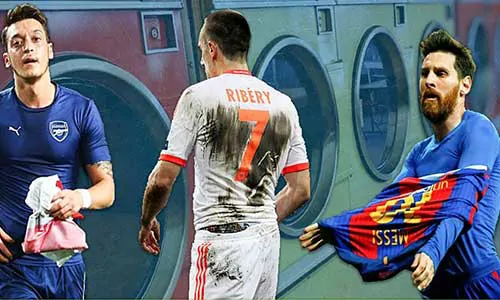
Football is much more than just ninety minutes of tactical battles, breathtaking goals, and roaring crowds. For millions of passionate fans worldwide, the physical artifacts of the beautiful game hold a deep, almost sacred value. Among these artifacts, nothing represents the connection between the players and the supporters quite like the team kit. Have you ever stared at the screen after a tense derby and wondered: What Happens to Players’ Jerseys After Football Matches?
The journey of a match-worn shirt extends far beyond the final whistle. In the modern era of multi-million dollar sponsorships and elite sports science, these garments undergo a complex process of recovery, recycling, and preservation. Therefore, understanding What Happens to Players’ Jerseys After Football Matches? helps us appreciate the massive logistical efforts that occur behind the scenes of professional sports. Let us dive deep into the fascinating details of this process to understand where these iconic shirts go once the game is over.
Table of Contents
- Understanding the Logistical Process: What Happens to Players’ Jerseys After Football Matches?
- The Role of the Kit Manager: Before and After the Whistle
- Behind the Scenes: What Happens to Players’ Jerseys After Football Matches on Away Days?
- The Famous Tradition of Shirt Swapping
- Charity Auctions and Commercialization: What Happens to Players’ Jerseys After Football Matches in Major Leagues?
- Fan Giveaways and the Emotional Player-Fan Bond
- Environmental Sustainability and Upcycling in Modern Football
- Lower Leagues vs. Elite Clubs: A Stark Contrast
- Summary of Football Jersey Outcomes
- Frequently Asked Questions
Understanding the Logistical Process: What Happens to Players’ Jerseys After Football Matches?
To truly understand What Happens to Players’ Jerseys After Football Matches?, we must first dispel a common myth: players do not simply wear one shirt for ninety minutes and call it a day. In elite competitions, the preparation is incredibly rigorous. Each player is routinely assigned multiple shirts for a single fixture.
Typically, a player receives at least three shirts per match. The first shirt is worn during the first half, while the second is put on during the halftime break to ensure the player remains dry, comfortable, and warm for the second half. The third jersey serves as an emergency backup. This backup is essential in case of tears, severe mud stains, or blood damage, which violates safety rules enforced by organizations like FIFA.
Indeed, this three-shirt rule is fundamental to explaining What Happens to Players’ Jerseys After Football Matches? because it means that a single game generates dozens of shirts. Consequently, the club must decide how to handle the clean, the dirty, and the historic shirts left over once the stadium lights go down.
The Role of the Kit Manager: Before and After the Whistle
The kit manager is the absolute unsung hero of any professional football club. They manage everything from training gear to match-day outfits. When analyzing the work of kit staff, we find answers to What Happens to Players’ Jerseys After Football Matches?. They are the ones who collect, organize, and determine the fate of every single piece of fabric.
Immediately after the referee blows the final whistle, the kit manager’s team goes to work. The process follows a strict protocol to ensure nothing is lost or misplaced. Here is a breakdown of their primary responsibilities post-match:
- Collection: Players throw their dirty shirts into large laundry bins placed in the center of the dressing room.
- Sorting: The kit staff separates shirts that were swapped, shirts promised to fans, and shirts that need to be kept for official club archives.
- Laundering: Shirts destined to be reused are sent directly to the club’s industrial laundry facility, where specialized stain-removal techniques are applied.
- Inventory Update: The staff logs which player used which shirt, maintaining a detailed database for commercial and historical purposes.
Furthermore, kit managers must prepare for the next fixture immediately. If a player swaps their shirt or gives it away, the kit manager must print a brand-new jersey with the correct sponsors, sleeve badges, and player numbers before the next game. Therefore, the dressing room is a highly efficient, non-stop production line.
Behind the Scenes: What Happens to Players’ Jerseys After Football Matches on Away Days?
Many fans assume that the process is straightforward, but exploring What Happens to Players’ Jerseys After Football Matches? on away days reveals an intricate web of logistics. When a team plays hundreds of miles away from home—or in another country for a European tournament—the challenges multiply.
In these situations, kit managers travel with massive, custom-built trunks packed with spare kits, printing machines, and heat presses. If the team is staying in a city for multiple days, they often partner with high-end local dry cleaners or utilize hotel laundry services to wash training kits. However, match-day shirts are handled with much more caution.
Consequently, dirty match shirts from away games are packed into sealed containers and transported back to the home training ground. This prevents any damage or theft of valuable memorabilia. By keeping the laundering and archiving in-house, clubs can guarantee that the integrity of the players’ kits is maintained at all times.
The Famous Tradition of Shirt Swapping
When analyzing What Happens to Players’ Jerseys After Football Matches?, shirt swapping stands out as one of the most respected traditions in modern sports. This practice represents mutual respect, sportsmanship, and a shared passion for the game, regardless of the rivalry on the pitch.
Historically, the first recorded shirt swap occurred in 1931 after a match between France and England. The French players, thrilled with their victory, asked the English players if they could keep their shirts as mementos. Since then, the tradition has evolved into a global phenomenon, famously highlighted by Pelé and Bobby Moore exchanging jerseys during the 1970 World Cup.
Today, shirt swaps are often arranged before the match even begins, especially when playing against global superstars like Lionel Messi or Cristiano Ronaldo. But what actually happens to these shirts after they are swapped? Let’s take a closer look:
- Player Museums: Many elite players have dedicated rooms in their homes to display swapped shirts.
- Charity Donations: Players often donate their swapped collections to raise money for worthy causes.
- Unwanted Bins: Occasionally, players swap shirts out of politeness but do not wish to keep them. In these rare cases, shirts are left in training ground bins, where staff members are permitted to take them.
Consequently, when asking What Happens to Players’ Jerseys After Football Matches?, the players’ personal archives are a major destination. These shirts serve as physical diaries of a player’s career, documenting the legends they faced on the field of play.
Charity Auctions and Commercialization: What Happens to Players’ Jerseys After Football Matches in Major Leagues?
This brings us to another fascinating aspect of What Happens to Players’ Jerseys After Football Matches?, which is the lucrative world of professional memorabilia and charity auctions. In major competitions like the English Premier League, La Liga, and the UEFA Champions League, shirts are highly valuable financial assets.
In recent years, clubs have partnered with online auction platforms to sell match-worn shirts directly to fans. The proceeds from these auctions usually go to the club’s official foundation or local charities. For example, during the annual Poppy Appeal in the UK, Premier League clubs auction off shirts featuring the poppy symbol, raising millions of pounds for veterans.
Interestingly, these shirts are rarely washed before they are sold. This unique preservation is a major driver of value when considering What Happens to Players’ Jerseys After Football Matches?. Collectors want the physical evidence of the game—the mud, the sweat, and even the grass stains—as it proves the shirt’s authenticity. To make these unwashed shirts safe for shipping, they are treated with specialized UV-C light technology, which eliminates bacteria and viruses while preserving the dirt and stains.
Fan Giveaways and the Emotional Player-Fan Bond
Furthermore, some kits end up directly in the hands of fans. This interactive dimension of What Happens to Players’ Jerseys After Football Matches? builds deep emotional connections. It is a common sight to see players walking toward the stands after a hard-fought victory to hand their shirt to a young supporter holding a cardboard sign.
These gestures create unforgettable memories for fans and generate positive publicity for the player and the club. However, there is a minor catch that many supporters are unaware of. In many clubs, players do not have an unlimited supply of free shirts.
According to insights from former professional players, clubs often track how many shirts a player gives away. If a player exceeds their allocated limit, the cost of the replacement shirts is actually deducted from their weekly wages. While this is a minor expense for a highly paid athlete, it shows that even in the multi-billion dollar world of football, inventory and cost control are strictly managed.
Environmental Sustainability and Upcycling in Modern Football
In recent years, the discussion around What Happens to Players’ Jerseys After Football Matches? has evolved to include environmental impact and circular economies. Major sportswear brands like Adidas, Nike, and Puma are actively working to reduce the carbon footprint associated with manufacturing sports apparel.
Consequently, many modern football kits are made from recycled ocean plastics and polyester. When jerseys are damaged during a match and cannot be repaired, they are not simply thrown into a landfill. Instead, clubs often partner with recycling firms to shred the fabric and upcycle it into training gear, seat cushions, or even insulation materials for stadiums.
In addition, some forward-thinking clubs run initiatives where fans can trade in their old replica shirts to be recycled. This emphasis on sustainability ensures that the lifecycle of a football jersey is circular, reducing waste and promoting eco-friendly practices across the sports industry.
Lower Leagues vs. Elite Clubs: A Stark Contrast
Of course, when we discuss What Happens to Players’ Jerseys After Football Matches?, we must acknowledge the division between elite professional leagues and the lower tiers of the football pyramid. While Manchester United or Real Madrid can afford to discard shirts after a single use, semi-professional and amateur clubs do not have this luxury.
In lower leagues, budgets are extremely tight. As a result, the destiny of a player’s jersey is much more traditional. Let us examine how the experience differs for lower-league players:
Consequently, What Happens to Players’ Jerseys After Football Matches? in lower leagues is highly practical. Shirts are carefully washed, dried, repaired by volunteers, and hung back up in the dressing room for the next match. If a player swaps their shirt without permission, they are usually forced to pay the full retail price out of their own pocket to replace it.
Summary of Football Jersey Outcomes
To help visualize the different paths a football kit can take, we have compiled a table outlining the most common outcomes for shirts once a match concludes:
| Destination | Primary Reason | State of the Shirt | Target Group |
|---|---|---|---|
| Locker Room Laundry | Reused for subsequent games | Washed and repaired | Lower league players |
| Opponent’s Collection | Sign of mutual respect | Unwashed (authentic) | Opposing players |
| Charity Auctions | Fundraising and community support | Unwashed & UV-sterilized | Global collectors & fans |
| Fan Giveaways | Community building and public relations | Sweaty/Match-worn | Stadium spectators |
| Club Archives | Historical preservation | Preserved/Framed | Museums & sponsors |
| Upcycling / Recycling | Environmental responsibility | Shredded & repurposed | Eco-friendly initiatives |
Frequently Asked Questions
To help you further understand What Happens to Players’ Jerseys After Football Matches?, we have compiled a list of the most common questions fans ask about match-day kits.
Do football players wear a brand-new jersey every game?
In elite leagues, yes. Players are usually given brand-new shirts for each half of a match. However, in lower leagues and amateur divisions, kits are washed, repaired, and reused throughout the entire season due to strict budget limitations.
Are match-worn shirts washed before they are sold at auctions?
No, they are usually left unwashed to preserve the grass stains, mud, and sweat, which collectors value as proof of authenticity. To make them safe for buyers, the shirts are treated with UV-C light to kill bacteria without removing the physical marks of the game.
Who pays for the shirts that players give away?
In most professional clubs, players are allocated a specific quota of shirts. If they exceed this quota by giving away or swapping too many shirts, the club deducts the wholesale price of the replacement shirts directly from their wages.
What is the oldest recorded shirt swap in football history?
The oldest recorded shirt swap occurred on May 14, 1931, after an international friendly match between France and England in Paris. The French players requested the English jerseys to commemorate their historic victory.
Are damaged football jerseys thrown away?
In modern football, clubs focus heavily on sustainability. Damaged jerseys that cannot be repaired are often recycled. Sportswear brands shred the fabric and upcycle it into materials used for training gear, stadium seating, or insulation.
Do players keep all the shirts they swap?
Many players keep them to build impressive personal collections or home museums. However, if they swap shirts with a lesser-known opponent out of politeness, they might leave them in the training ground’s kit room for staff members to keep.
Conclusion
Ultimately, the journey of a match-day kit is complex. Next time you watch a game, you will know exactly What Happens to Players’ Jerseys After Football Matches?. From the meticulous preparation of the kit managers to the high-stakes world of charity auctions and the eco-friendly efforts of recycling programs, every shirt has a story to tell.
Understanding What Happens to Players’ Jerseys After Football Matches? highlights the incredible detail behind the scenes of our favorite sport. If you found this article helpful, share it with your fellow football fans, and leave a comment below telling us which player’s match-worn shirt you would love to add to your collection!