FIFA World Cup 2026 Hosts: USA, Canada and Mexico City Guide
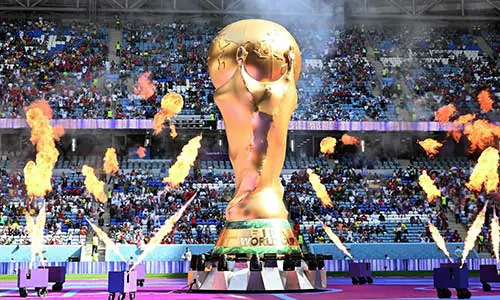
The beautiful game has returned to North America in a historic spectacle. For the very first time, three nations are co-hosting the largest soccer tournament on Earth, bringing together 48 teams across 16 iconic cities. Whether you are a seasoned football fan or a traveler seeking once-in-a-lifetime experiences, navigating this vast tournament requires careful preparation. Welcome to the ultimate FIFA World Cup 2026 Hosts: USA, Canada and Mexico City Guide, your comprehensive playbook for stadiums, transportation, local attractions, and travel logistics.
Because the tournament spans three massive countries, understanding the geography and characteristics of each host city is vital. Consequently, we have compiled this detailed guide to help you plan your itinerary, manage travel distances, and fully enjoy the local cultures. Let us dive into the ultimate breakdown of the host cities, stadiums, and must-know matchday details.
Table of Contents
- 1. Overview of the Historic World Cup 2026
- 2. How to Use the FIFA World Cup 2026 Hosts: USA, Canada and Mexico City Guide
- 3. Canada Host Cities & Stadiums
- 4. Mexico Host Cities & Stadiums
- 5. USA Host Cities & Stadiums
- 6. Logistics & Travel Tips Across Three Borders
- 7. Frequently Asked Questions (FAQ)
- 8. Conclusion & Next Steps
1. Overview of the Historic World Cup 2026
The 2026 FIFA World Cup represents a monumental milestone in sporting history. It features an expanded format of 48 teams playing a total of 104 matches, making it the largest soccer event ever organized. Meanwhile, the games are distributed across three distinct regions: the West, Central, and East. This geographic clustering is designed to minimize travel times for players and fans alike, although smart logistical planning remains critical.
Furthermore, each host nation brings its own unique flavor to the tournament. Mexico boasts deep-rooted football history, having hosted the tournament in 1970 and 1986. In contrast, the United States offers ultra-modern, state-of-the-art NFL arenas, while Canada welcomes the men’s tournament to its shores for the very first time. Therefore, keeping a reliable reference close at hand is essential for making the most of your trip.
2. The FIFA World Cup 2026 Hosts: USA, Canada and Mexico City Guide to Venues
Before booking flights, you need to understand where the matches are played. To assist you, the table below provides a quick overview of all 16 host cities and their official venues. As you read on, you will find detailed profiles for each region to tailor your travel plans.
Host Cities and Stadiums at a Glance
| Country | Host City | Stadium Name | Approximate Capacity |
|---|---|---|---|
| Canada | Vancouver | BC Place (Vancouver Stadium) | 48,800 |
| Toronto | BMO Field (Toronto Stadium) | 44,300 | |
| Mexico | Mexico City | Estadio Azteca (Mexico City Stadium) | 72,700 |
| Guadalajara | Estadio Akron (Guadalajara Stadium) | 44,300 | |
| Monterrey | Estadio BBVA (Monterrey Stadium) | 50,100 | |
| United States | New York / New Jersey | MetLife Stadium | 82,500 |
| Los Angeles | SoFi Stadium | 70,000 | |
| Dallas (Arlington) | AT&T Stadium | 94,000 | |
| Atlanta | Mercedes-Benz Stadium | 67,300 | |
| Miami | Hard Rock Stadium | 64,700 | |
| Seattle | Lumen Field | 69,000 | |
| Boston (Foxborough) | Gillette Stadium | 63,800 | |
| Philadelphia | Lincoln Financial Field | 69,700 | |
| Kansas City | Arrowhead Stadium | 76,400 | |
| Houston | NRG Stadium | 72,200 | |
| San Francisco (Santa Clara) | Levi’s Stadium | 68,500 |
Undoubtedly, this massive list of destinations presents endless options for soccer enthusiasts. To get a closer look at what each destination offers, let us analyze the host cities country by country.
How to Use This FIFA World Cup 2026 Hosts: USA, Canada and Mexico City Guide
To navigate this event smoothly, we recommend selecting a regional hub (West, Central, or East) to minimize flight times. For instance, if you choose the West Coast, you can easily travel between Vancouver, Seattle, and San Francisco. Conversely, focusing on the Central region allows you to bounce between Dallas, Houston, and Monterrey. By focusing on geographically grouped venues, you can spend less time on airplanes and more time enjoying the matches.
3. Canada Host Cities & Stadiums
Canada is welcoming the global soccer community with open arms. Its two selected host cities are world-famous for their multiculturalism, scenic beauty, and passionate sports fans. To make your journey seamless, this portion of our FIFA World Cup 2026 Hosts: USA, Canada and Mexico City Guide outlines the key features of Canada’s host venues.
Vancouver, British Columbia
Nestled between the Pacific Ocean and the majestic Coast Mountains, Vancouver is a picturesque jewel. Matches are being held at BC Place, an iconic venue featuring a state-of-the-art retractable roof. Because of its central location in the downtown peninsula, fans can easily walk to the stadium from local hotels.
- How to get there: The TransLink SkyTrain offers direct access via the Stadium-Chinatown Station.
- What to do: Explore Stanley Park, walk across the Capilano Suspension Bridge, or dine in the trendy Gastown neighborhood.
- Pro Tip: Vancouver is famous for its mild but sometimes damp climate, so pack a light waterproof jacket even in the summer!
Toronto, Ontario
As Canada’s largest metropolis, Toronto is a thriving financial and cultural powerhouse. Games are played at BMO Field (referred to as Toronto Stadium for the tournament), located at Exhibition Place. The stadium has been expanded specifically to accommodate the massive crowds of the World Cup.
- How to get there: Take the GO Transit train directly to the Exhibition Station, or use the local TTC streetcars.
- What to do: Visit the world-famous CN Tower, catch a ferry to the Toronto Islands, or explore the historic Distillery District.
- Pro Tip: Due to heavy traffic, utilizing public transit is highly recommended over renting a car.
4. Mexico Host Cities & Stadiums
No nation on earth lives and breathes soccer quite like Mexico. By becoming the first country to host games in three separate World Cups, Mexico cements its legendary status in the football world. To make sure you do not miss a beat, our FIFA World Cup 2026 Hosts: USA, Canada and Mexico City Guide spotlights the incredible Mexican cities that are welcoming the world.
Mexico City
Mexico City is the vibrant heart of the nation. It boasts the historic Estadio Azteca, a cathedral of football where Pele and Diego Maradona lifted the trophy in 1970 and 1986 respectively. Since this venue has a massive capacity of over 72,000, the energy inside on matchday is absolutely electric.
- How to get there: Utilize the Tren Ligero (light rail) to the Estadio Azteca station, or book a registered taxi service.
- What to do: Visit the historic center (Zocalo), explore the majestic Chapultepec Castle, or enjoy a boat ride in Xochimilco.
- Pro Tip: Mexico City lies at a high altitude of over 2,200 meters. Consequently, stay hydrated to prevent altitude sickness.
Guadalajara, Jalisco
Guadalajara is the birthplace of mariachi and tequila, making it a culturally rich destination for traveling fans. Matches are taking place at the beautiful Estadio Akron. Known for its unique eco-friendly design, the stadium resembles a volcano rising from the surrounding fields.
- How to get there: Dedicated shuttle buses run from central transport hubs directly to the stadium on matchdays.
- What to do: Walk through the historic downtown, visit Tlaquepaque for local crafts, and sample authentic birria.
- Pro Tip: Allocate plenty of travel time, as roads near the stadium can become highly congested.
Monterrey, Nuevo León
Surrounded by the striking Sierra Madre Oriental mountains, Monterrey is a bustling industrial and technological hub. Fans will gather at the breathtaking Estadio BBVA, often called “The Steel Giant”. This modern venue offers stunning views of the Cerro de la Silla mountain directly from the stands.
- How to get there: Take the Metrorrey subway system to the Exposición Station, followed by a brief walk or taxi ride.
- What to do: Hike in the Huasteca Canyon, explore the Fundidora Park, and eat traditional cabrito (roasted goat).
- Pro Tip: Summer temperatures in Monterrey can easily exceed 40 degrees Celsius (104 degrees Fahrenheit). Therefore, drink plenty of water and wear sunscreen!
5. USA Host Cities & Stadiums
With 11 host venues across the nation, the United States is hosting the largest share of the tournament’s 104 matches. To help you navigate this massive territory, this FIFA World Cup 2026 Hosts: USA, Canada and Mexico City Guide divides the American hosts into three easy-to-digest regional hubs: East, Central, and West.
The Eastern Region (New York, Boston, Philadelphia, Miami)
The East Coast of the US is packed with historical landmarks, dense transit systems, and legendary sporting cultures.
- New York/New Jersey (MetLife Stadium): Situated just across the Hudson River in East Rutherford, NJ, this massive arena is hosting the highly anticipated tournament Final on July 19, 2026. It is easily accessible via the NJ Transit rail network from Penn Station.
- Boston (Gillette Stadium): Located in Foxborough, MA, this stadium is a hub for New England sports. Special event trains operate from Boston’s South Station and Providence on matchdays.
- Philadelphia (Lincoln Financial Field): Known for having incredibly passionate fans, Philly hosts games near its historic city center. You can easily reach the stadium via the Broad Street subway line.
- Miami (Hard Rock Stadium): Bringing a tropical, multicultural energy to the tournament, Miami is hosting multiple matches, including the Bronze medal final. Rideshare services and express shuttle buses are the best transit options.
The Central Region (Dallas, Atlanta, Kansas City, Houston)
The heart of America features enormous stadiums, incredible food cultures, and convenient travel connections.
- Dallas/Arlington (AT&T Stadium): With its colossal retractable roof and giant video board, this venue is hosting a record nine matches, including a high-stakes semi-final. We highly advise booking shuttle transport, as public transit directly to Arlington is limited.
- Atlanta (Mercedes-Benz Stadium): This striking architectural marvel features a retractable pinwheel roof and a 360-degree video board. Conveniently, the MARTA rail line drops fans off directly at the stadium gates.
- Kansas City (Arrowhead Stadium): Officially recognized as one of the loudest outdoor stadiums in the world, Arrowhead is a bucket-list destination for sports fans. Renting a car or utilizing rideshare is necessary to reach this venue.
- Houston (NRG Stadium): A modern stadium with a fully retractable roof to keep fans cool during warm summer days. The METRORail red line provides seamless transit from downtown Houston directly to the stadium.
The Western Region (Los Angeles, San Francisco, Seattle)
The scenic Pacific Coast combines technological innovation, stunning nature, and a massive soccer fanbase.
- Los Angeles (SoFi Stadium): This state-of-the-art masterpiece in Inglewood is hosting the opening match for the US Men’s National Team. Fans should utilize the Metro C Line with dedicated shuttle connections on matchdays.
- San Francisco Bay Area (Levi’s Stadium): Located in Santa Clara, CA, this eco-friendly stadium is in the heart of Silicon Valley. The VTA light rail and Caltrain systems offer smooth transit options.
- Seattle (Lumen Field): Famous for its raucous atmosphere and scenic views of the Seattle skyline. Conveniently, the Link Light Rail stops right outside the stadium at the International District/Chinatown station.
6. Logistics & Travel Tips Across Three Borders
Traveling across North America during a mega-event like the World Cup requires thorough preparation. To prevent travel headaches, keep these essential logistics in mind:
Visa and Border Control
Because you will be traveling between Canada, Mexico, and the United States, you must verify the entry requirements for each nation. For example, entering the United States may require an ESTA or a traditional tourist visa. Similarly, Canada requires an Electronic Travel Authorization (eTA) for many travelers, while Mexico has its own entry regulations. Always carry a passport that is valid for at least six months beyond your planned stay.
Transport and Flights
Due to the immense distances between cities, flying is the most practical option for traveling long distances. However, for shorter distances within specific regions—such as the US Northeast corridor—you can take advantage of train systems like Amtrak. To avoid paying high prices, we strongly advise booking your flights, train tickets, and hotel rooms as far in advance as possible.
For official schedules, stadium updates, and match tickets, you can visit the Official FIFA Website. Additionally, you can research historical statistics and venue histories on the 2026 FIFA World Cup Wikipedia Page.
7. Frequently Asked Questions (FAQ)
To help you prepare further, here are answers to the most common questions regarding the host venues and travel planning.
Which city is hosting the 2026 FIFA World Cup Final?
The final match of the tournament is taking place at MetLife Stadium in East Rutherford, New Jersey (representing the New York/New Jersey metropolitan area) on July 19, 2026.
Do I need separate visas for the USA, Canada, and Mexico?
Yes. There is no joint “World Cup Visa” for the three nations. You must comply with the independent entry and visa requirements of the United States, Canada, and Mexico.
Which stadium is hosting the most matches during the tournament?
AT&T Stadium in Dallas (Arlington), Texas, is hosting nine matches, including a semi-final, which is more than any other host venue.
Is public transportation available for all host stadiums?
While most major cities like New York, Atlanta, Vancouver, and Seattle have excellent subway or light rail connections directly to their venues, other stadiums like those in Dallas, Kansas City, and Miami rely heavily on shuttle buses, rideshare services, or car rentals.
What is the best way to travel between host cities?
For regional travel, high-speed rail or regional buses are excellent options. However, for cross-country travel (such as moving from Mexico City to Vancouver), booking domestic or international flights is highly recommended due to the vast distances.
8. Conclusion & Next Steps
The 2026 World Cup is set to be an unforgettable celebration of soccer, uniting three diverse nations and millions of passionate fans. By planning your travel route early, securing the necessary travel visas, and choosing the right regional hub, you can guarantee a smooth and exciting tournament experience.
We hope this comprehensive FIFA World Cup 2026 Hosts: USA, Canada and Mexico City Guide serves as a valuable tool for your trip. Do you have your match tickets secured? Start locking in your accommodation and flight bookings today to beat the rush and secure the best rates!